
Why Your Tire Pressure Drops in Cold Weather
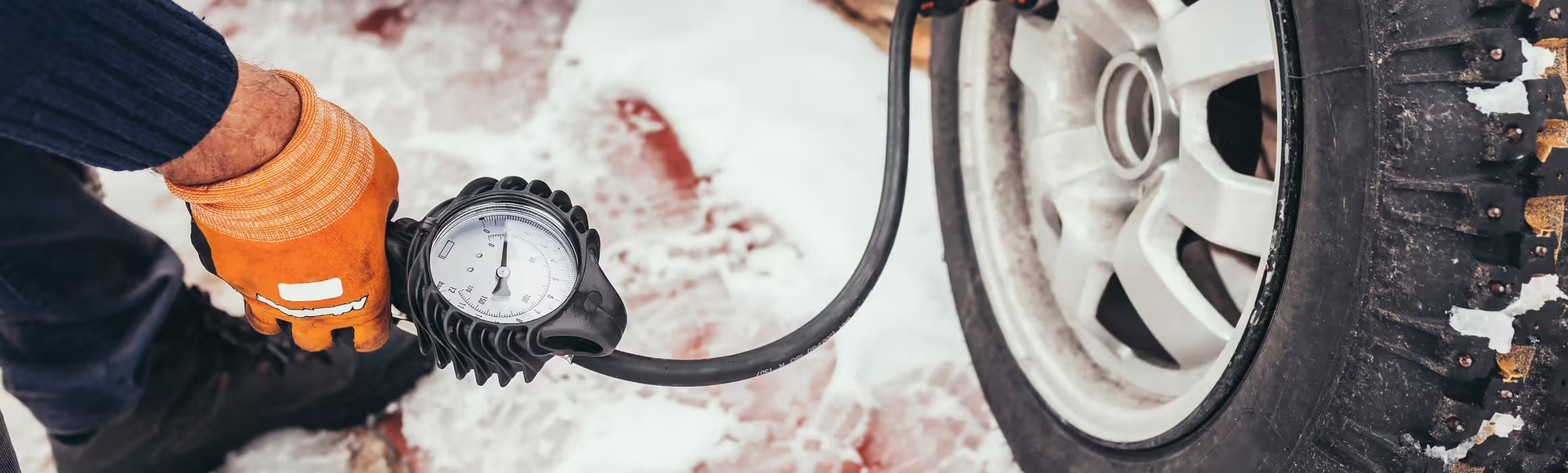
Cold weather means lower pressure
When temperatures fall, the air inside your tires contracts. For every 10°C drop, tire pressure can drop about 1 PSI. That’s why your tire pressure monitoring system (TPMS) light often turns on during winter mornings even when nothing’s wrong.
Proper inflation is key for traction, fuel economy, and tire life, especially during London’s coldest months.
1. Check tire pressure at least once a month
Cold air reduces tire pressure gradually, so it’s best to check when your tires are “cold” before driving or after the car has sat for a few hours. Always fill to the PSI listed on the driver-side door label.
2. Don’t ignore the TPMS light
A warning light doesn’t always mean you have a flat. It can also mean your tires are just a few PSI low from the cold. However, if the light flashes and stays on, it could indicate a sensor issue or a slow leak. Have a technician check it to be sure.
3. Avoid overinflating
Overinflating your tires to compensate for cold weather might seem smart, but it can actually reduce grip and make the tire wear unevenly. It’s better to check and top up regularly rather than add too much at once.
4. Rotate and balance tires regularly
Cold temperatures and road salt can speed up uneven wear. Keeping your tires rotated and balanced ensures they last longer and maintain proper contact with the road, improving traction on ice and snow.
5. Plan ahead for the temperature swings
As spring approaches, recheck your tire pressure when temperatures climb again it may rise above normal. Adjusting seasonally keeps your tires performing safely year-round.
If your TPMS light keeps coming on or your tires feel soft, stop by Hanford’s Tire & Service in London for a quick tire pressure check and rotation. Our technicians will make sure your tires are properly inflated and balanced for winter safety.