
Why Your Car Struggles to Start in Cold Weather
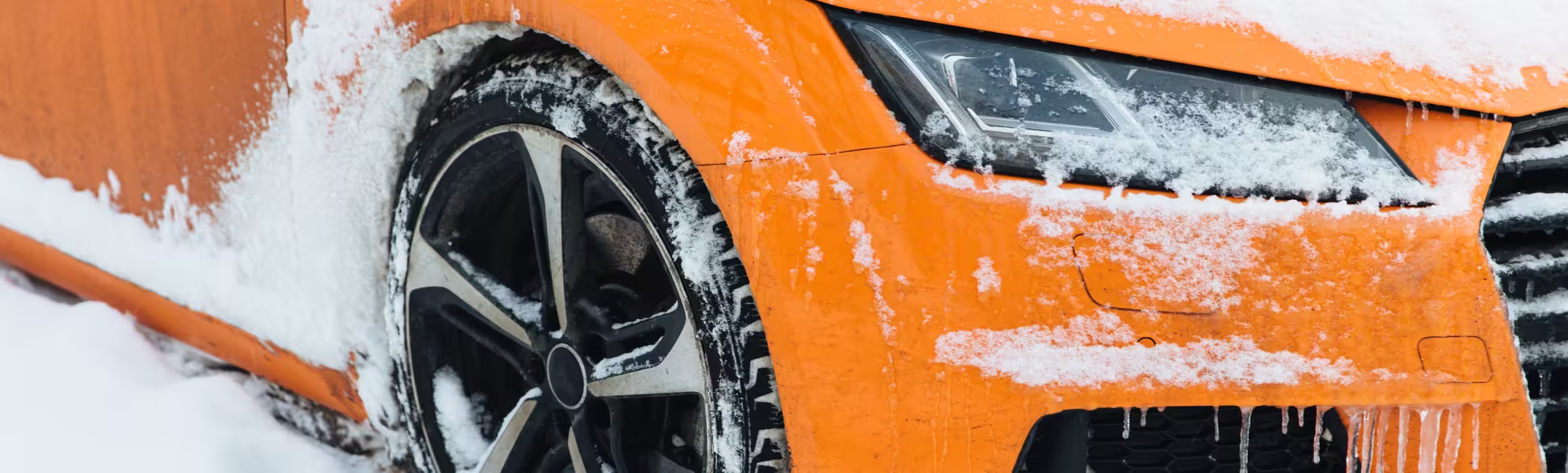
Cold mornings and slow starts
When temperatures drop in London, Ontario, weak batteries, thicker oil, and high electrical loads can make engines crank slowly. If your car hesitates or clicks before starting, it may be time for a battery and electrical check, an oil service, or a closer look at your starter and charging system.
1. Battery power drops in the cold
Batteries deliver less power as temperatures fall. A marginal battery that seems fine in autumn can fail once the first deep freeze hits. Signs include slow cranking, dim headlights at idle, or needing a boost. A proper load test will show whether your battery can still meet the demand. If it is near the end of its service life, replacing it before a cold snap is often the most reliable choice.
2. Motor oil thickens and adds resistance
Cold weather increases oil viscosity, which can make the engine harder to turn over. Using the manufacturer-recommended oil grade for winter helps reduce drag and speeds up cold starts. If your last oil change was overdue, fresh oil can make a noticeable difference in both starting and fuel economy.
3. Starter and alternator health matters
Your starter works hardest on cold mornings. Worn brushes or a weak solenoid can cause intermittent cranking or clicking. The alternator must replenish the battery after each start, especially when you run lights, the rear defroster, and the heater. A charging system test checks alternator output and confirms the battery is receiving the right voltage.
4. Connections, cables, and corrosion
Corroded battery terminals and frayed cables restrict current. In winter, that resistance can be enough to prevent a start. Cleaning terminals, tightening connections, and replacing damaged cables often restores reliable performance. Dielectric protection can help slow future corrosion.
5. Smart habits that help on cold mornings
- Park indoors or use a block heater if available
- Turn off accessories before starting to reduce electrical load
- Depress the clutch on manual transmissions to reduce drag
- Allow a brief warm up, then drive gently to help the engine reach temperature
- Keep a set of quality booster cables in the trunk
When to see a technician
If the engine cranks more slowly than usual, if you require frequent boosts, or if warning lights come on after startup, schedule an inspection. A quick check of the battery, starter, alternator, and oil can prevent a no-start situation on the coldest days.
If cold mornings are slowing your car down, visit Hanford’s Tire & Service in London for a battery and electrical system check. We will test your battery, inspect the starter and alternator, and confirm your oil meets winter specifications so you can head out with confidence.